As mentioned elsewhere, I have tried a LOT of different options for peeing in-flight. I wrote this series of posts to collect what I’ve learned in one place and hopefully save other pilots some time, money, and discomfort figuring it out on their own.
The main focus is on options for women (since I’m a woman :-), but diapers (and their associated off-shoots) also work for men. The options specifically for men will get their own post!
If you know of other options, please share what you know!
Disposable Diapers
The best known solution (for both men and women) is disposable diapers. Note that my analysis below is of the “medical grade” products that are designed for true incontinence. Products for “leaking” will not really do the job alone. There is a market to support people who suffer from full incontinence so there are products designed to work “overnight” through “multiple wettings;” this is what you want for a multi-hour XC flight. There are two types: pull-ups (like underwear) and “briefs” (which have tabs like you’d put on a little baby). Since these are a consumable medical device you can often order samples (sometimes only for the cost of shipping).
Note that a typical pee is 5.4-13.4 fluid ounces (yes, that’s a big range!). The Abena M4 (which has one of the largest capacities I’m aware of) holds up to 122 fluid ounces in size Medium, but that is in the lab (a single submersion and not taking compression due to wearing them into account). I’ve had it exceed its holding capacity after 4 or 5 (I can’t quite remember) “wettings”, which aligns with the more realistic capacity expectation of about 80 fluid ounces.
Pull-ups
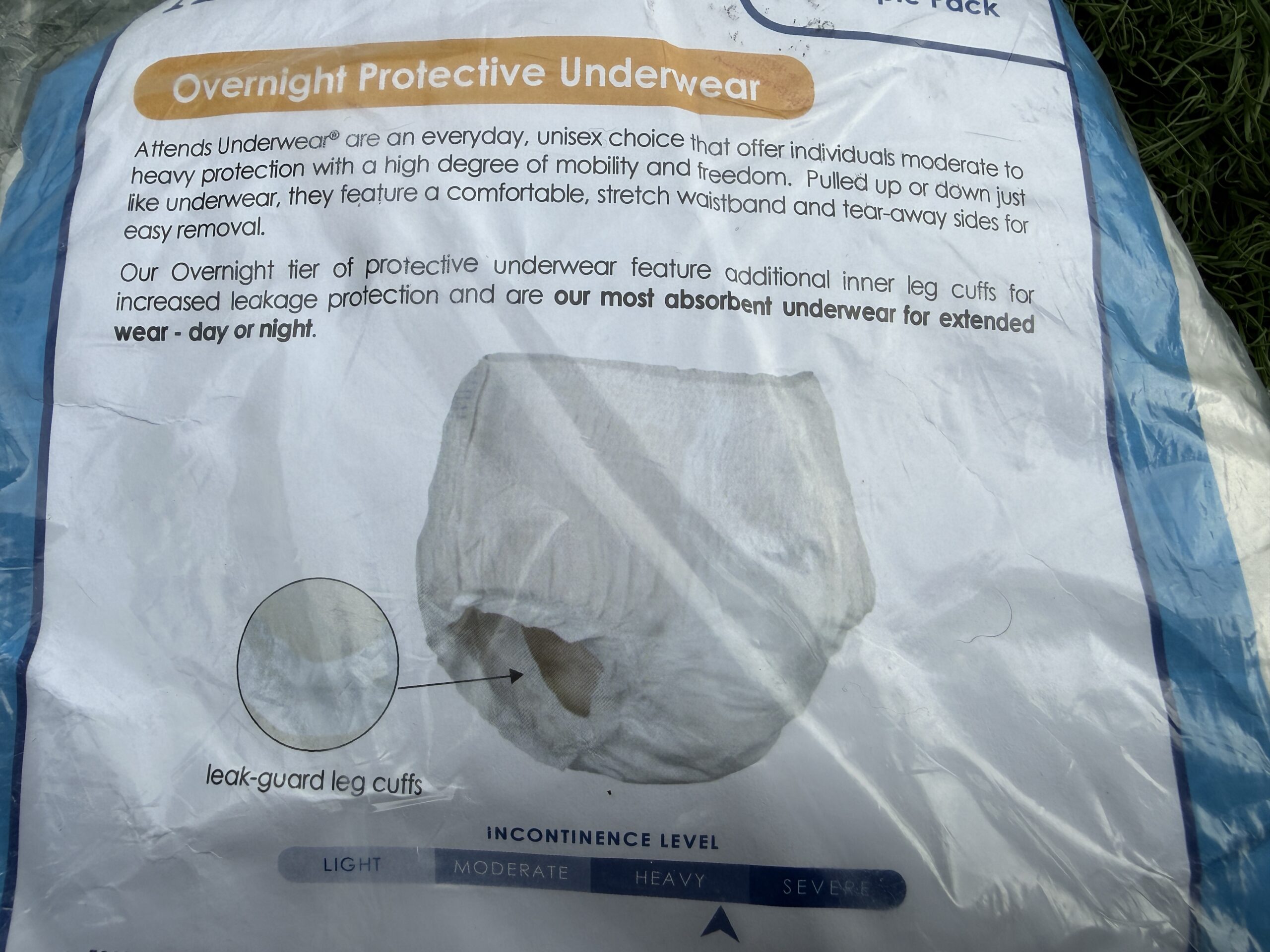
| Pros | Cons |
| You pull them on like underwear, so you can also just pull them down if you need to use the bathroom after you’ve put them on. | They do not hold as much as briefs (although there are now “booster pads” that you stick in to add an extra layer of absorbency without the bulk in front/back). |
| They don’t take up as much space as briefs (which is important if you’re bringing a bunch on a trip). | You have to put them on before your pants (or take your pants completely off to put them on). |
Briefs
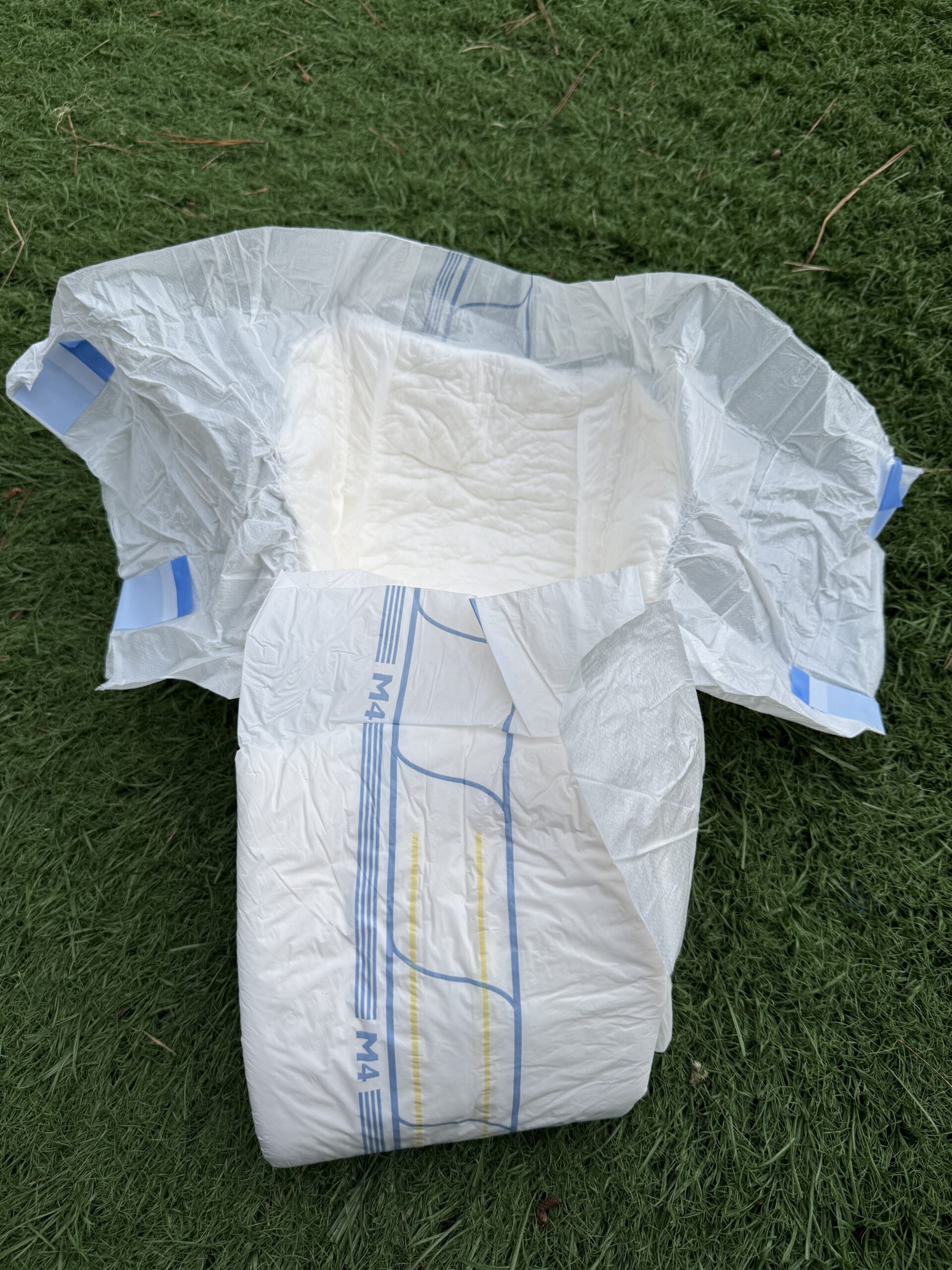
| Pros | Cons |
| Holds the most of any product (especially the “overnight” variety) (and you can still add a “booster pad”). | The closure tabs are designed to be opened and repositioned, but it’s not always reliable. So removing it in order to use the bathroom after you’ve put it on can be challenging. I recommend only opening one side and pushing it down your leg, so at least one side is definitely secure. (For a quick pee before launching it’s nice to have a FUD – see below. You still have to open a tab, but might be able to get away with just one instead of two.) |
| You can put it on after you’re dressed (although it does require pretty much exposing the full area it will cover – this is where a skirt or dress comes in very handy ;-). |
Both Diaper Types
| Pros | Cons |
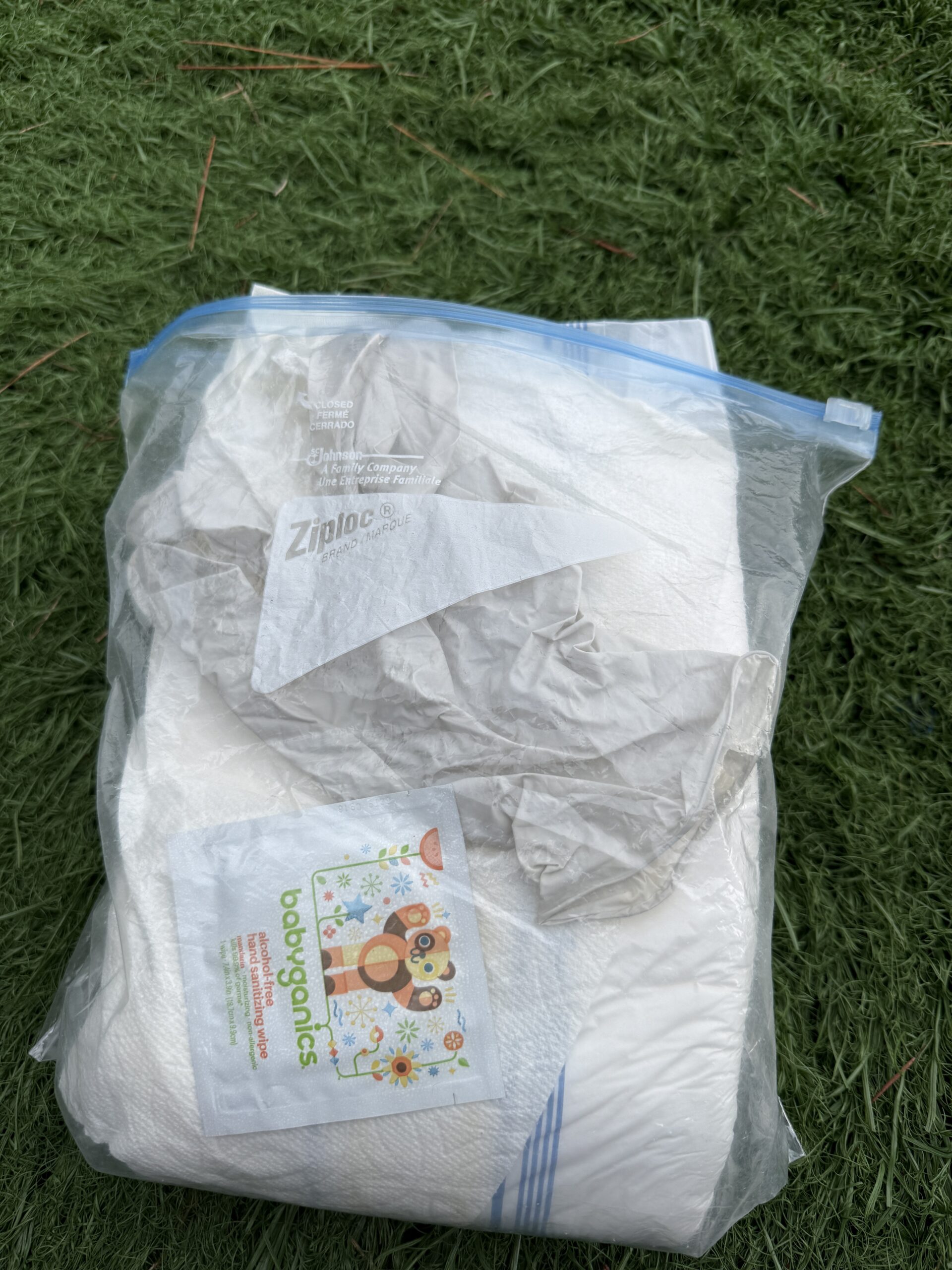
| No glue, tape, shaving, or waxing is required. | Disposable, which means you need to figure out what to do with them after taking them off (potentially unpleasant depending on how long your flight was!). I like carrying a gallon “ziplock” bag so it can be securely stored until an appropriate trash receptacle is found (zipper lock closure ensures the moisture and odor are 100% captured ;-). |
| Requires no interaction in-air to use: can be used at any time and your hands never leave the toggles. | Potentially messy while wearing: if the legs are not tight enough liquid can leak out (possibly more an issue for women than men). |
| Designed for effectively any anatomy (note that they do come in sizes, but they will likely be bulky on everyone – make sure you pick a size that will fit around your widest part). | Potentially messy after wearing: a fully loaded diaper is heavy (think about how heavy your full camelback was!) and the liquid can be squished out if you’re not careful. |
| Disposable (also a con, but at least you don’t have to wash them). | Bulky – if you are going on a flying trip you might be shocked at how much space 7 heavy-duty diapers take up! |
| Potentially can be reworn if unused, but if you sweat at all then they’re effectively “used”. | Limited capacity. This is the absolute biggest drawback of diapers and the reason I kept looking for a better solution. They will not hold an unlimited amount of liquid, so if you put too much in there they WILL leak – usually out the back at the top. Which means you have to keep track of how much has gone in there. Which means you’re potentially now in a “flying dehydrated” situation since you might drink less in order to not overflow. The best option when using a diaper is to “size up”: think about how long you are likely to fly (based on weather, your plan for the day, other things on your schedule for the day) and use a diaper (potentially + booster pad) assuming a little longer flight than that. |
| Both varieties are designed to be “torn off” by tearing the sides of the diaper (which are a thin material with no padding or plastic backing). After tearing the sides you sometimes can sneak the whole thing out from between your legs if it’s not too “heavy” (so you don’t have to undress to remove it). | |
| Relatively comfortable, all things considered: no pinching, designed to have soft fabric-like material against your skin, the fancy ones use super-absorbent materials to keep from feeling too wet. | |
- Key considerations
- Practice, practice, practice! This is true for ALL solutions. We’ve all had a lot of training to not wet our pants!
- When putting on a brief you need to make sure the openings are tight around your legs, or it will leak. I usually put one side on first, starting securely around the leg (closing with the sticky tab), then close the tab near the top on that same side with the diaper reasonably centered. Then go to the other side: arrange it to make sure it’s in the right place and get the other side securely around your leg. Lastly close the top tab on the second side (which isn’t as critical for our use case).
Bottom-line: There is a reason diapers are the most-commonly-used option for female pilots, and many male pilots use them as well. When they work, they work well. Plus there is a very low barrier to entry. Just be mindful of the Cons!
BTW: be careful where you do your searches for these products – you could end up with a LOT of incontinence product ads in all your feeds (and one company in particular makes giant, non-optimized ad placements that take over the whole window!).
Disposable Booster Pads
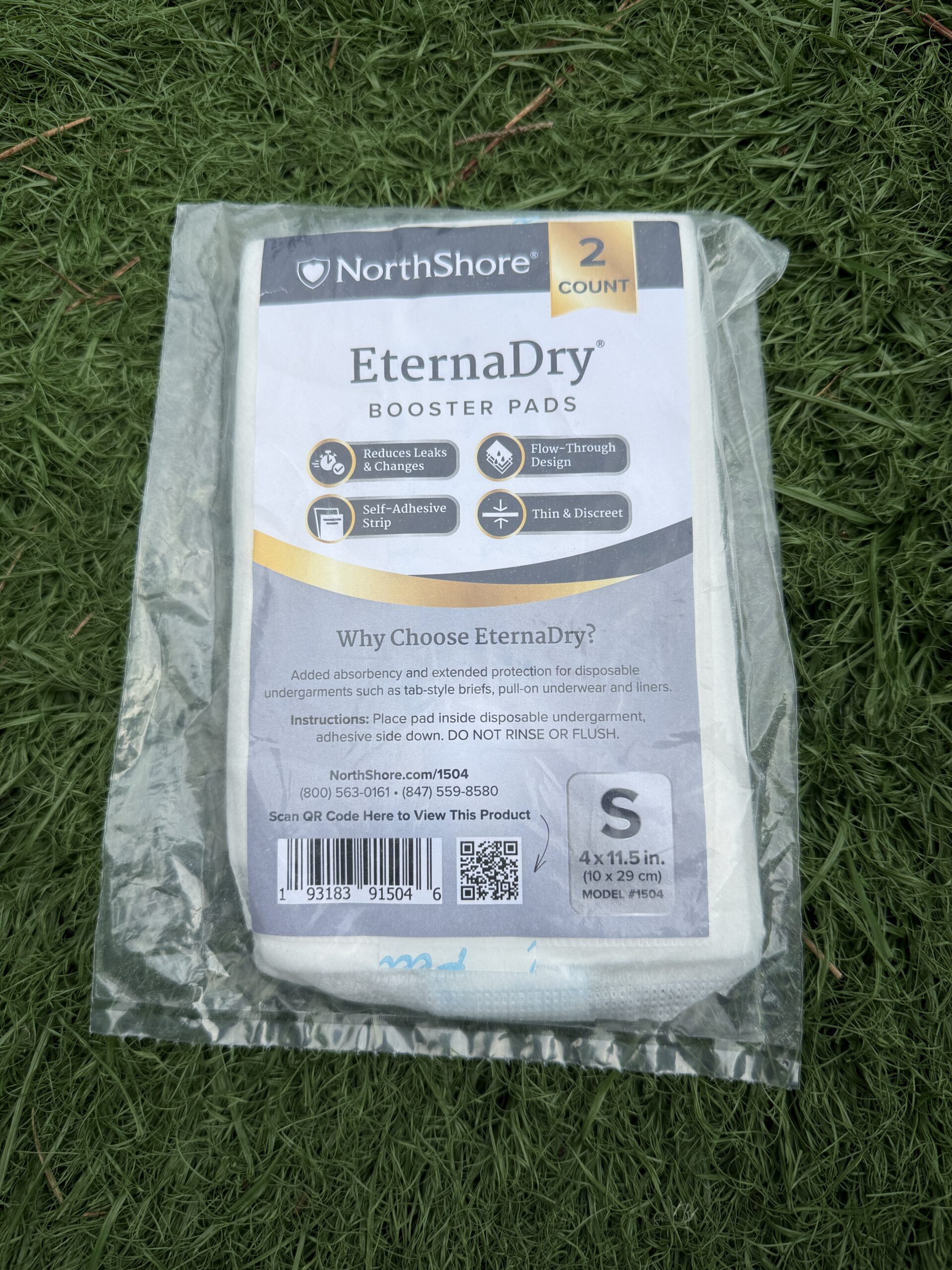
As mentioned above, if you want to “extend” the capacity of a disposable diaper you can use a booster pad. These can also be used in tandem with some of the other products below. Note that they are designed to let the excess liquid “flow through” to the diaper – do NOT use them alone or you’ll likely have wet pants.
They come in various sizes, which, in addition to capacity, results in various widths and lengths. I wouldn’t recommend putting a giant booster in a small pull-up: the width of it might just leak right out the legs.
Similar Pros and Cons as described above. They are a relatively new product (at least since I did my original diaper research), but they look somewhat like menstrual pads (or the incontinence pads mentioned below) – with one critical exception: they are designed to “leak” through the backing into the diaper.
Bottom-line: These can be a great way to extend the capacity of your diaper!
Disposable Incontinence Pads (or Guards)

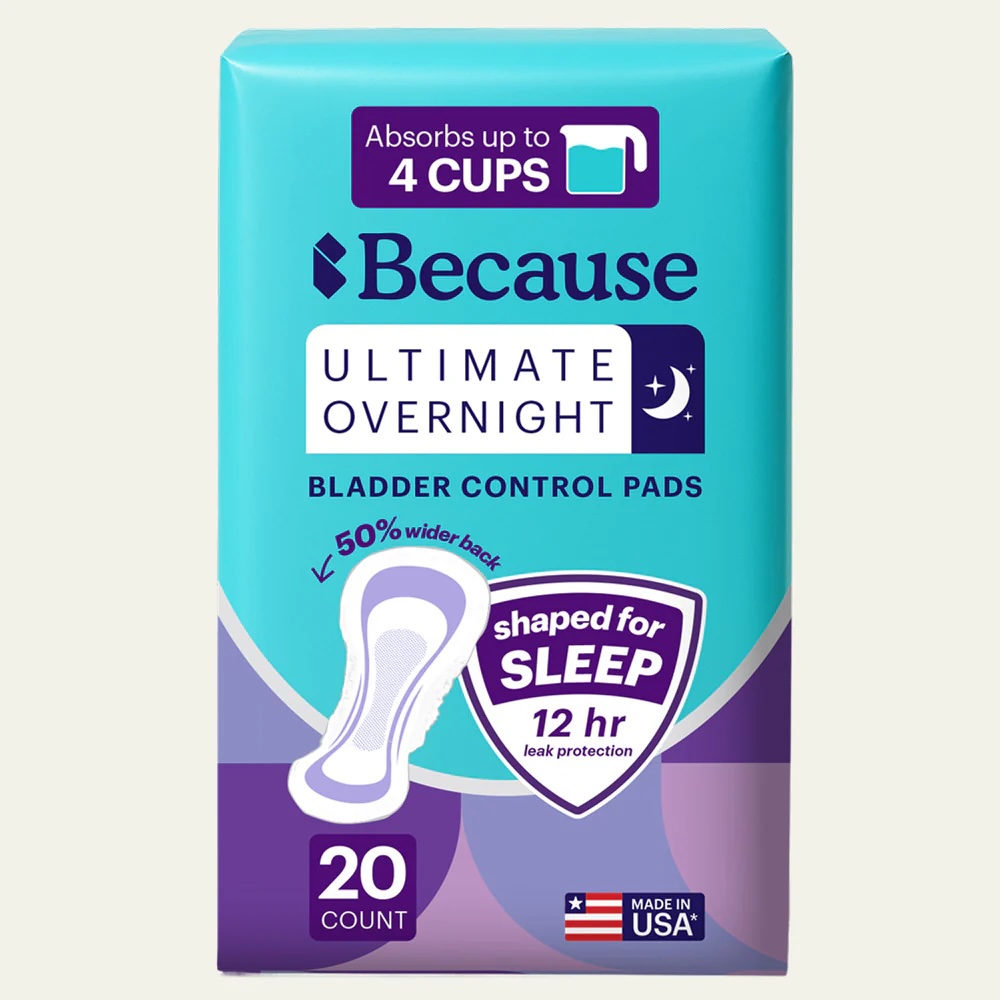
With improvements to absorbent materials there are now also very absorbent pads, similar to menstrual pads. Unlike the Booster pads, these are designed to be used standalone. I’m not sure what sort of capacity they have, but one review said at best they can “hold a heavy dribble”.
They can be useful in combination with another product, such as if you are worried about minor leaking from the She-P (where the bulk of the liquid flows out a tube, but sometimes there is still some moisture to capture). Note that the male version is called a Guard.
Similar Pros and Cons as described above. They are a relatively new product (at least since I did my original diaper research), and are just like menstrual pads, but designed for more absorbency and with a shape more optimized for this use case. Plus there is a version specifically for men.
Note that incontinence pads are not just rebranded menstrual pads: they have greater capacity, better wicking technology, and are typically more absorbent. Some (particularly the reusable products) have urine-specific odor control.
Bottom-line: These are useful for leakage, but probably can’t replace a diaper. Maybe good for one of those flights where you don’t think you need a diaper: this could ensure you don’t skimp on your hydration?
Reusable diapers
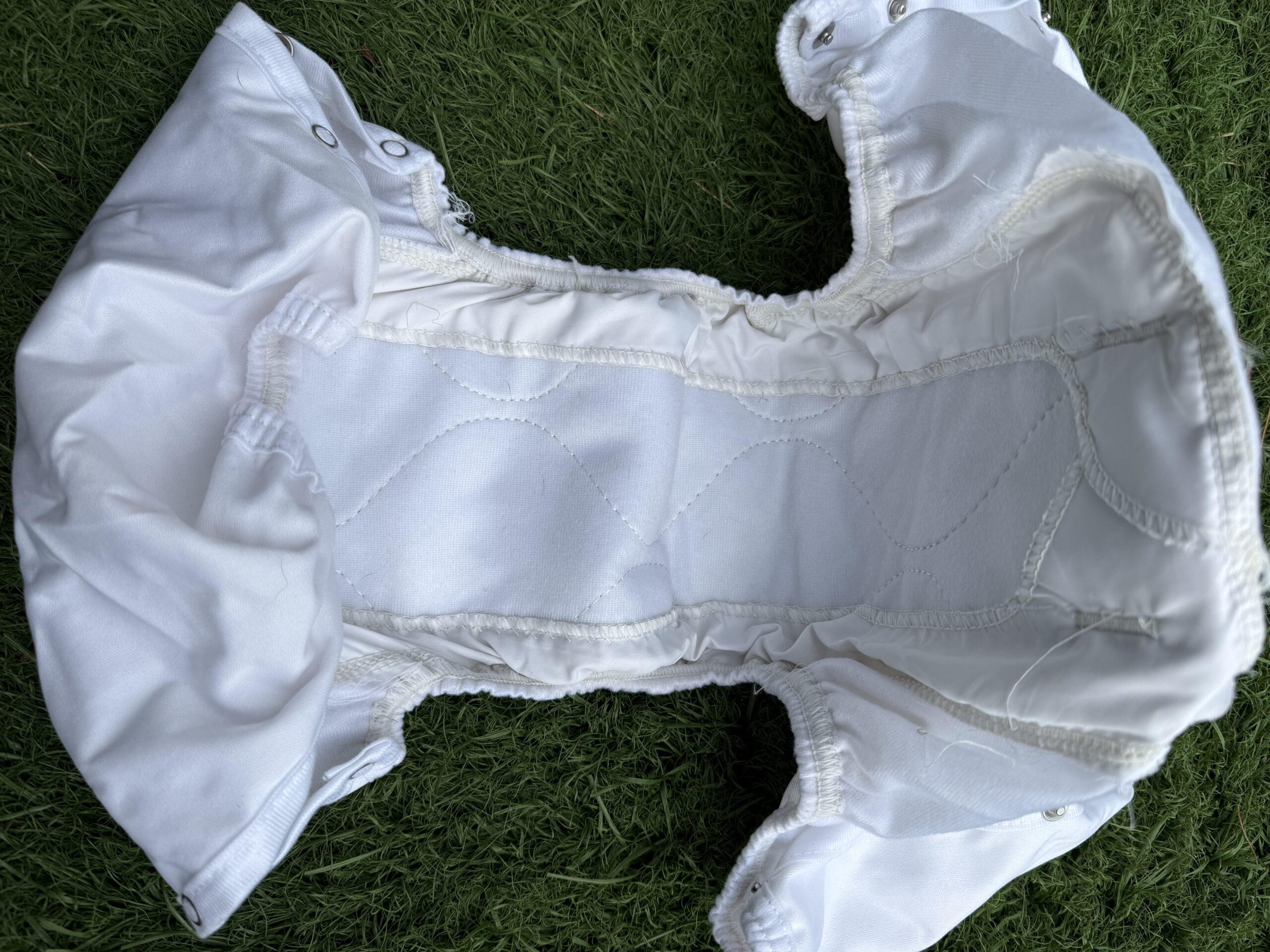
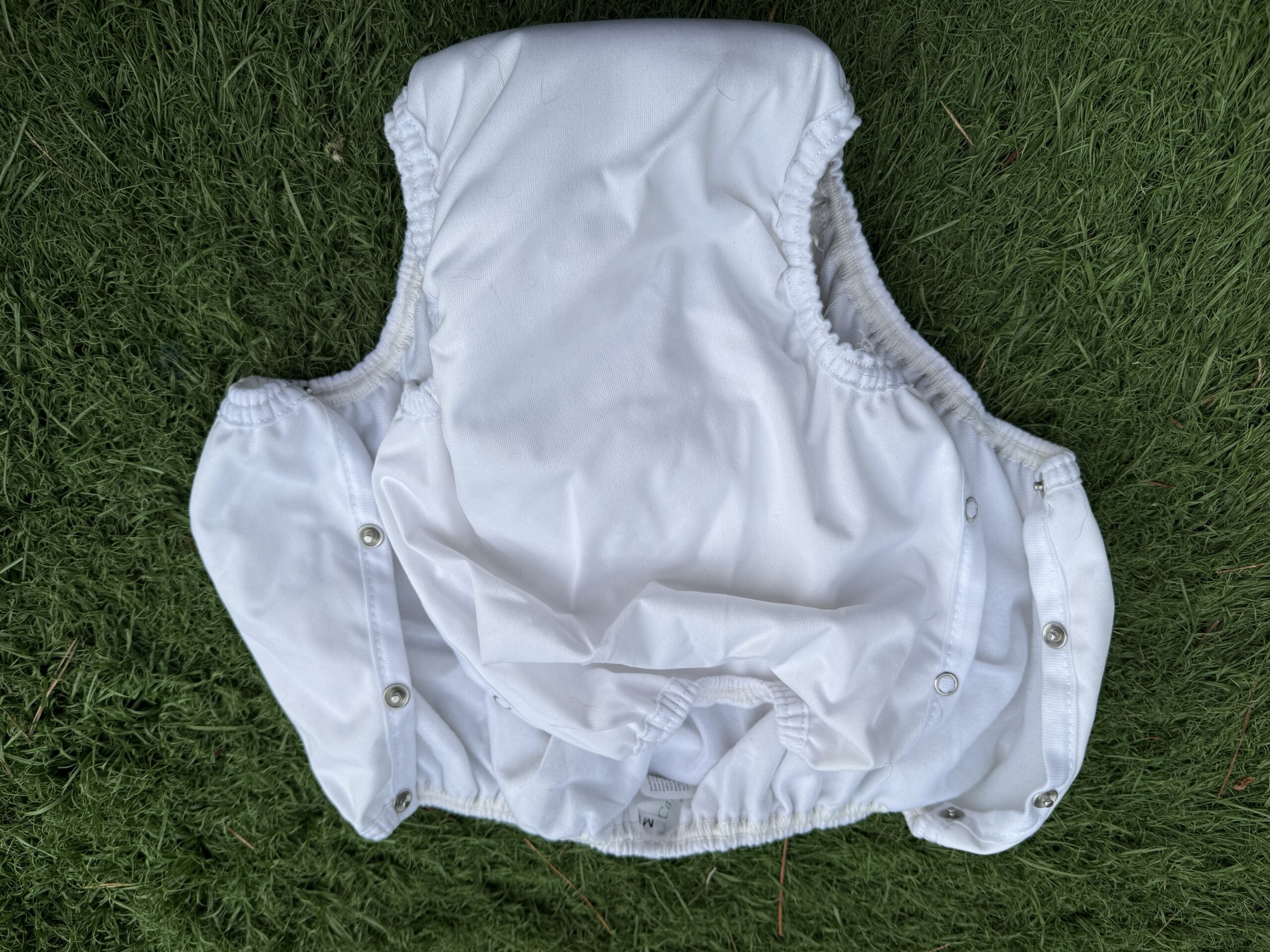
So what about reducing some of the “Cons” of diapers by going with reusable diapers? They’re good enough for babies, they should be good enough for us! Have you ever been in a nursing home? Or even a senior citizen facility? There’s a reason they all smell like urine :-(
| Pros | Cons |
| Reusable! You don’t need to carry one for every day of your trip and there is no waste. | Limited capacity. I have only found ones that are basically cotton, just like baby diapers. So they don’t have the fancy absorbency of the disposable variety. |
| No glue, tape, shaving, or waxing is required. | Leakage. Again, because they are reusable, the exterior shells are just fabric (no plastic like the disposable kind). Plus the leg openings are not as flexible or stretchy as disposables, so it’s hard to get a tight fit. |
| Requires no interaction in-air to use: can be used at any time and your hands never leave the toggles. | Cleanliness. Because they’re cotton, and because adult urine is more chemically complex than baby urine, they are very difficult (if not impossible) to clean completely. They definitely require industrial washing (which is often not available when you’re traveling, or possibly even at home), and the smell is harder to remove if the diaper isn’t rinsed immediately (so that long xc+retrieve is a fatal combo for your reusable diaper). |
Bottom-line: Do not recommend.