Options specifically designed for those without a built-in external tube
Special undies (aka pee panties)
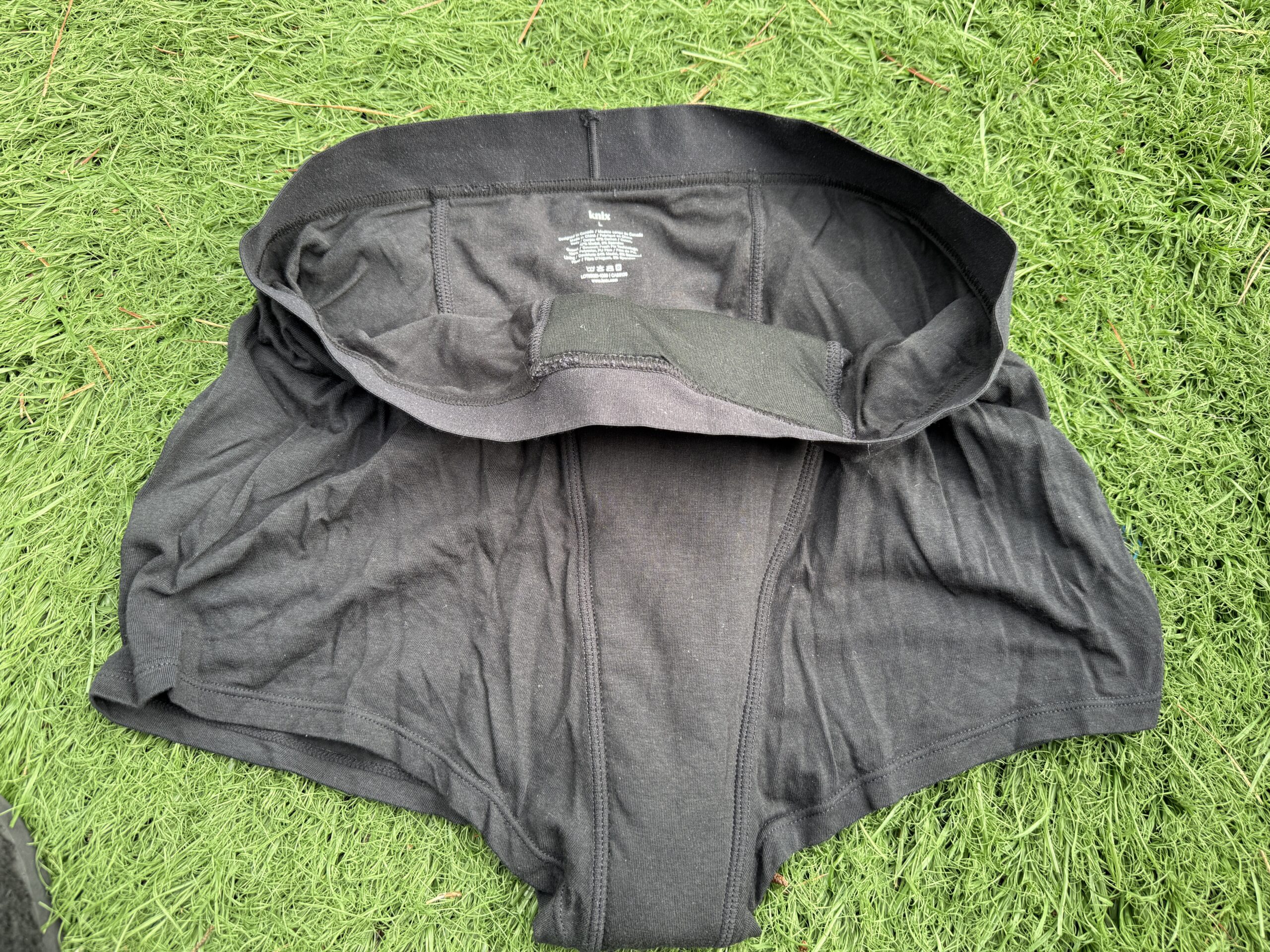
Scientific advances have been made in materials/chemicals for capturing liquids inadvertently released from human bodies. Starting with “period panties”: reusable underpants with special materials for capturing menstrual blood while isolating any odor. Some of those same companies have expanded to offer “pee panties”: reusable underpants with special materials for capturing urine while isolating any odor. They are primarily used by women who experience bladder leaks (not full incontinence), which is a common side effect of aging or medical conditions. These are a useful tool in our arsenal of managing in-flight micturition!
| Pros | Cons |
| No glue, tape, shaving, or waxing is required. | Not designed for men, so might not have coverage in the right place to be useful. |
| Requires no interaction in-air to use: can be used at any time and your hands never leave the toggles. | Most of them are designed to replace disposable “light/leak” menstrual pads so they don’t hold much. (Many are made by “period panty” companies.) |
| For shorter flights, a pair of “pee panties” might be sufficient to give you confidence to drink your water! | The best ones I’ve found were from Zorbies, but they appear to have gone out of business :-( |
| There are a variety of sources, with new ones appearing all the time. As with all women’s clothing, they don’t all fit the same. | |
| Potentially could be combined with a “booster pad”, although the widths don’t match so might leak out the sides. | |
| Reusable! Wash in the washing machine! Because they have special materials they don’t seem to suffer from the odor problem of cotton reusable diapers. | |
| They are specifically designed for urine capture. |
Bottom-line: These do seem to work well, but with very limited capacity. If you expect a short flight it’s great to have a truly reusable option. These also are a good option if you’re worried about the slight leaks with something like a She-P (as long as most of the liquid goes down the tube).
“Pee Pants”
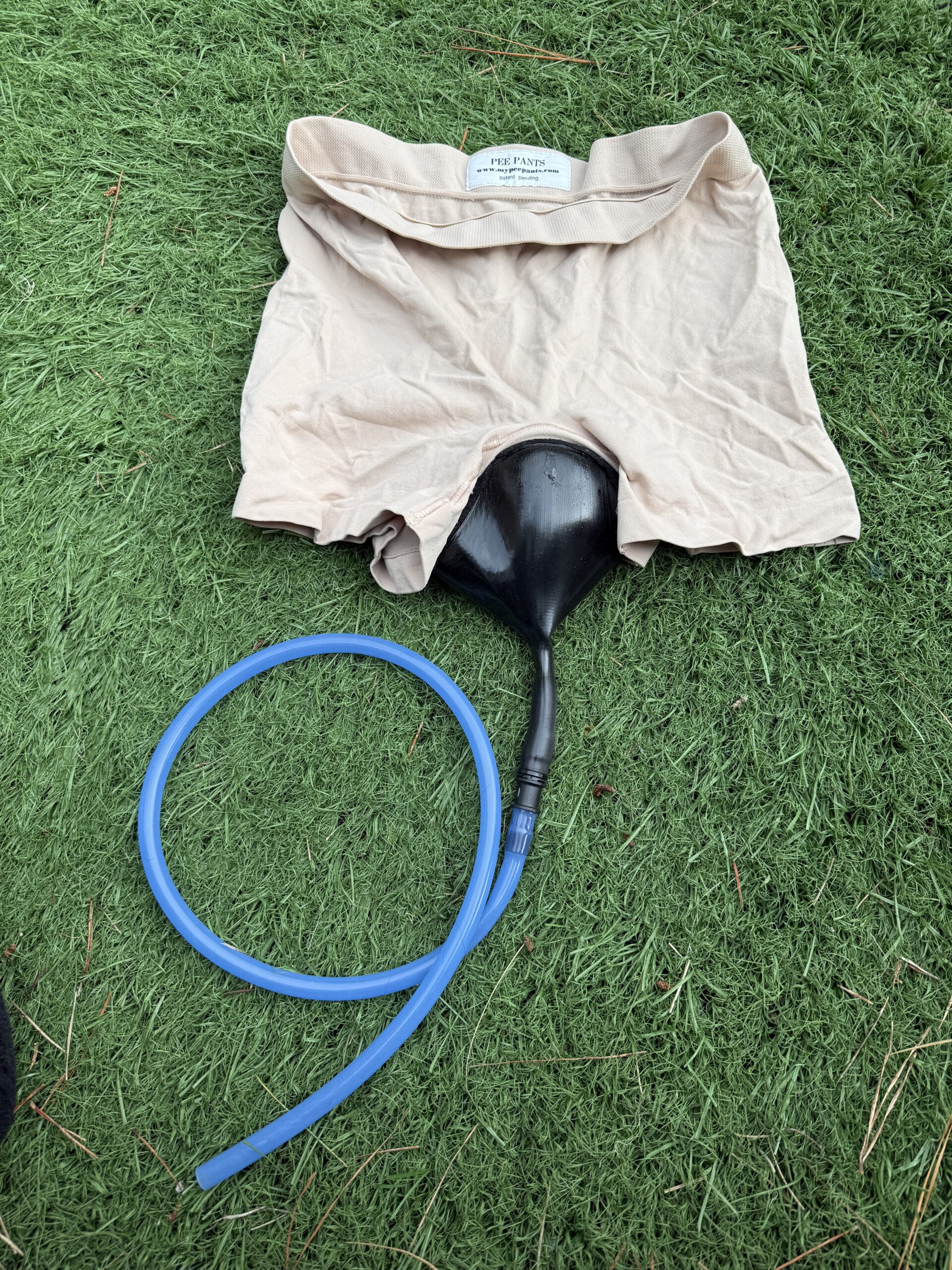
Not to be confused with “pee panties” (see above), a (male) chiropractor on the East Coast invented something for women to be able to pee standing up (targeted at women with unpleasant or non-existent toilet facilities). The Pee Pants’ claim to fame was its use by several female mushers in the 2013 Iditarod Trail Sled Dog Race in Alaska. It’s basically thin bicycle short-style pants with a plasticized funnel sewn into the crotch with a tube coming out of it. Yes, I own one. No, I’m not actually the first female pilot I know who has bought it. Yes, I tried it (in the bathtub). No, I’m not aware of anyone who has actually tried it in-flight.
| Pros | Cons |
| Like all of the above, there is no glue, tape, or hair removal required. | It’s unclear how it might actually work while in-flight. The challenge is that the funnel is very flexible. This is very comfortable for sitting on in your harness. However, even without the challenge of routing the tube, the slightest pressure on the funnel opening means the pee just backs up (and out of the funnel area into the pants area). Need I say more (I probably already said too much)? |
| It is reusable. |
Bottom-line: Do not recommend.
Easy peesy
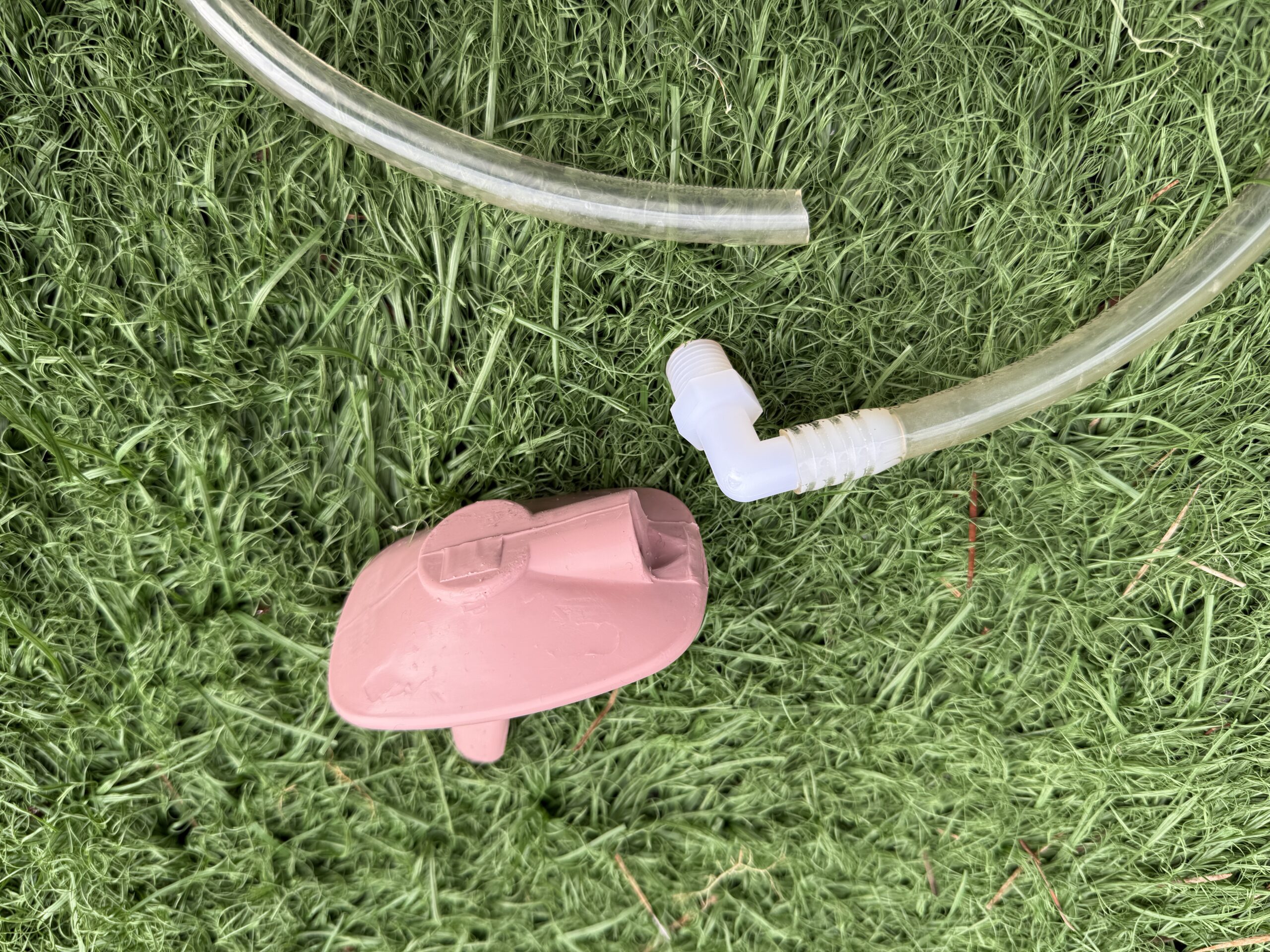
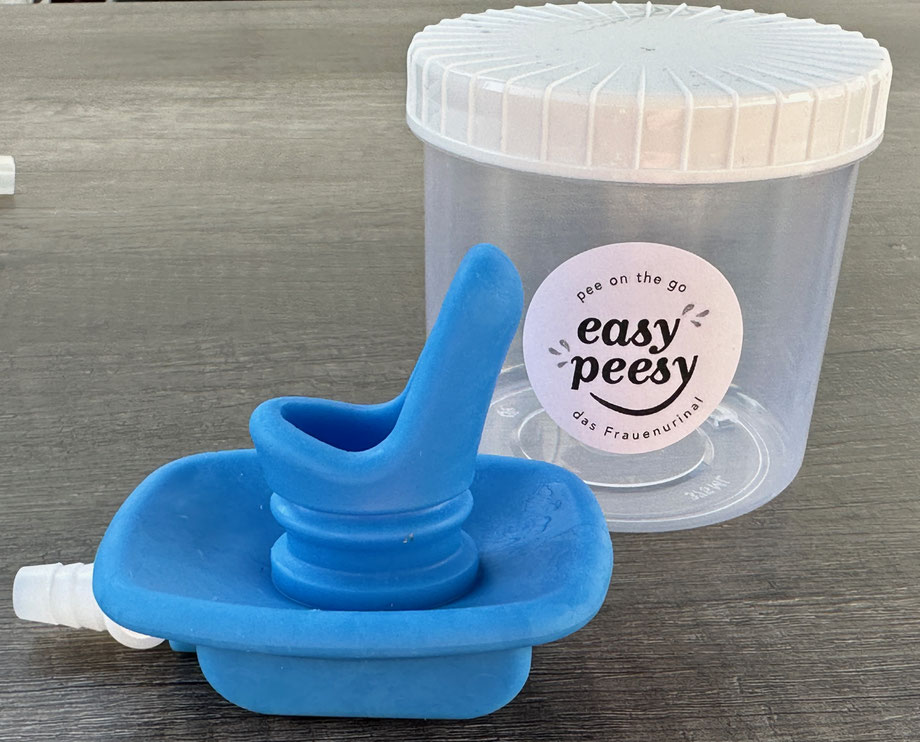
A female competitive long-distance small plane pilot invented the “frauen urinal” (“ladies urinal”), rebranded as the “easy peesy”. The original (pink) was designed to attach to a bottle in the cabin. In researching this article I discovered that some female paraglider pilots have successfully used this device! I have no idea how they did it, since I found it extremely uncomfortable and fussy. The latest version (blue) is made out of silicon, which is softer than the original. However, it still has the same issues and is also no longer smooth on the “outside” surface. The original intention was it had to be put into place only as needed, but I’m eager to hear from any women who have used it successfully while paragliding!
| Pros | Cons |
| As with all of the above, there is no glue, tape, or hair removal, and it’s reusable. | The original was made out of a very dense material and is very firm. Even the updated version still has two very solid/hard spots (in the center of the multi-part mold and at the plastic connector for the tube). It is extremely uncomfortable to sit/rest on. |
| It is designed to attach to a tube to route the liquid “into the void” (so to speak). This is our first “infinite use in-air” product that might actually work! | The routing of the tube out of the device puts pressure on a very delicate part of the anatomy. (I added the L connector, since I wasn’t sure how else to connect a tube – it now comes with a straight connector plus a tube, but it’s still in the same sensitive spot.) |
| I’m not entirely sure how you either (a) put it in place once airborne, or (b) walk around and then launch with it in place. I’ll include a link in my Resources page to the testimonials from two paraglider pilots if you’d like to follow-up with them for more info on how they managed to use it. Maybe tape was involved? |
Bottom-line: For me this was much too uncomfortable, but perhaps your anatomy would tolerate the pressure better? The idea of no glue required is very appealing, so I am exploring a hybrid of the easy peesy and She-P to try to get the best of both worlds!
FUD: Shewee, pStyle, Tinkle Bell, Freshette, GoGirl, Pibella, etc.
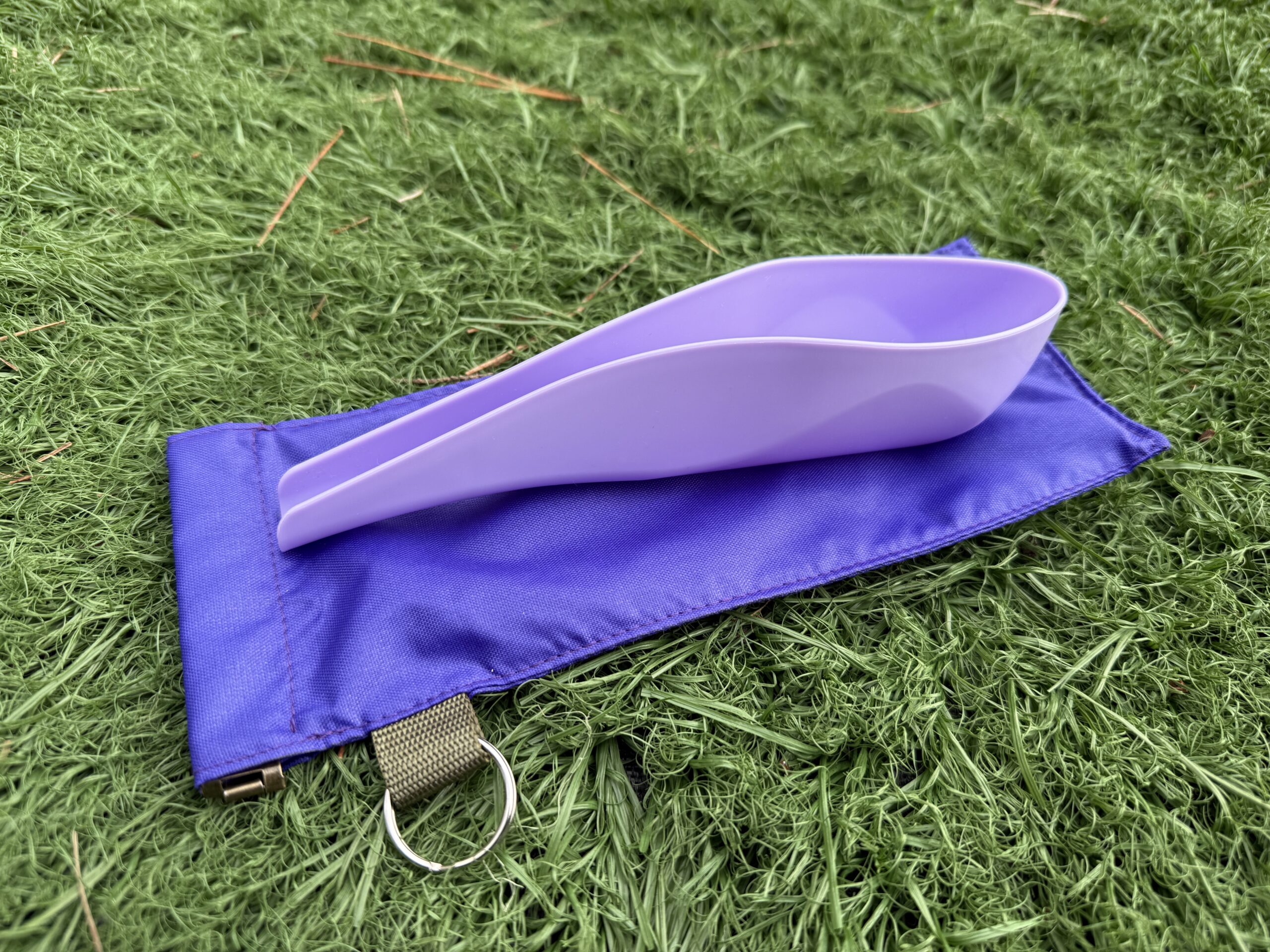
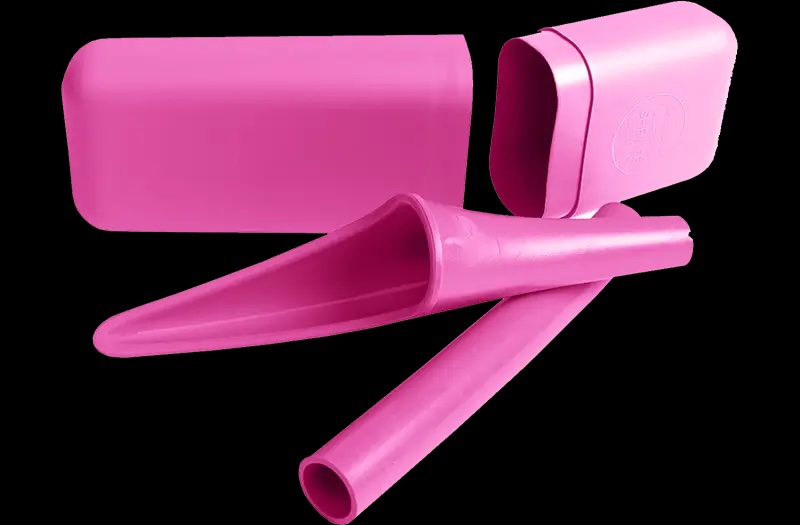
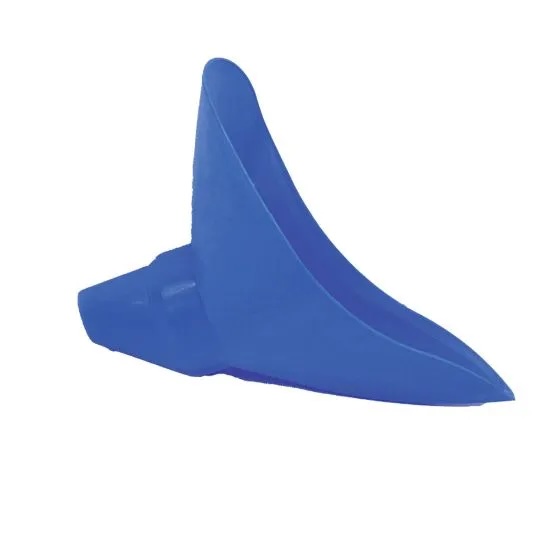
The backpacking world created a demand for the FUD (female urination device) so that girls could pee while standing up (without drenching their clothes). There are now numerous options available (even more than I’ve listed above): some have wide openings, some have tiny openings, some are hard plastic, some are flexible silicon. I’ve tried several of them, and they are great for turning your back and peeing on launch “like the boys” and some even can readily attach a tube for redirecting the output. The challenge I believe (as with the easy peesy) is how do you get it in place when it’s time to “go”?
Another item in this same vein is the Lady J – an adapter intended for use with the Little John bottle. It has much wider coverage than a traditional FUD (and an enclosed outlet), but with that larger size it could be even more difficult to get into place and quite uncomfortable to sit on.
| Pros | Cons |
| As with all above, no glue, tape, or hair removal, and it’s reusable. | It’s hard to imagine getting it into place while flying. Perhaps if you’re in an open harness and going commando it would be relatively straightforward (if it’s a forgiving, rigid product like the Freshette). But that’s less common for big XC/long flights, so the diaper is probably a more reliable (less risk of mess) solution. |
| There are many, many variations, so you can find what works best for your anatomy and transport preferences (I do recommend one if you use diaper briefs). | Most are not designed to be used with a tube – some are even open on the top. |
Bottom-line: Definitely useful on launch/landing. Possibly useful in-air within some significant constraints. I have heard one report of success using medical adhesive – such as those used with the She-P – applied along the edges to hold a FUD in place in flight. Your mileage may vary.
PureWick™
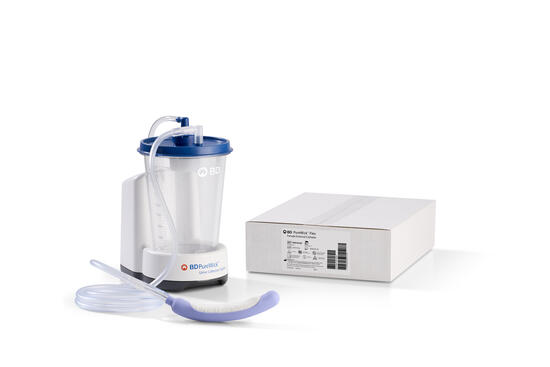
A friend was recovering from an injury and was provided this external catheter to prevent her from getting up too much. It’s basically like an absorbent hot dog (some look more like hot dog buns) attached to a little vacuum cleaner. She realized it would be great to have something like this in-flight! She looked into how to adapt it but was ultimately unsuccessful :-( I’ve included it here for completeness, and also in case any of you are aware of technological advances that would warrant revisiting the idea! (Some of the Navy Pilot solutions used this same approach.)
| Pros | Cons |
| No glue, tape, or hair removal, and infinite use in-air! | The amount of suction required for it to work exceeds a feasible power source for us to carry in-flight. |
| Requires no interaction in-air to use: can be used at any time and your hands never leave the toggles. | |
| Just needs to be put “in place” and suction does the rest |
Bottom-line: Maybe once we have much denser power supplies available this could be revisited!
US Navy Fighter Pilot solutions
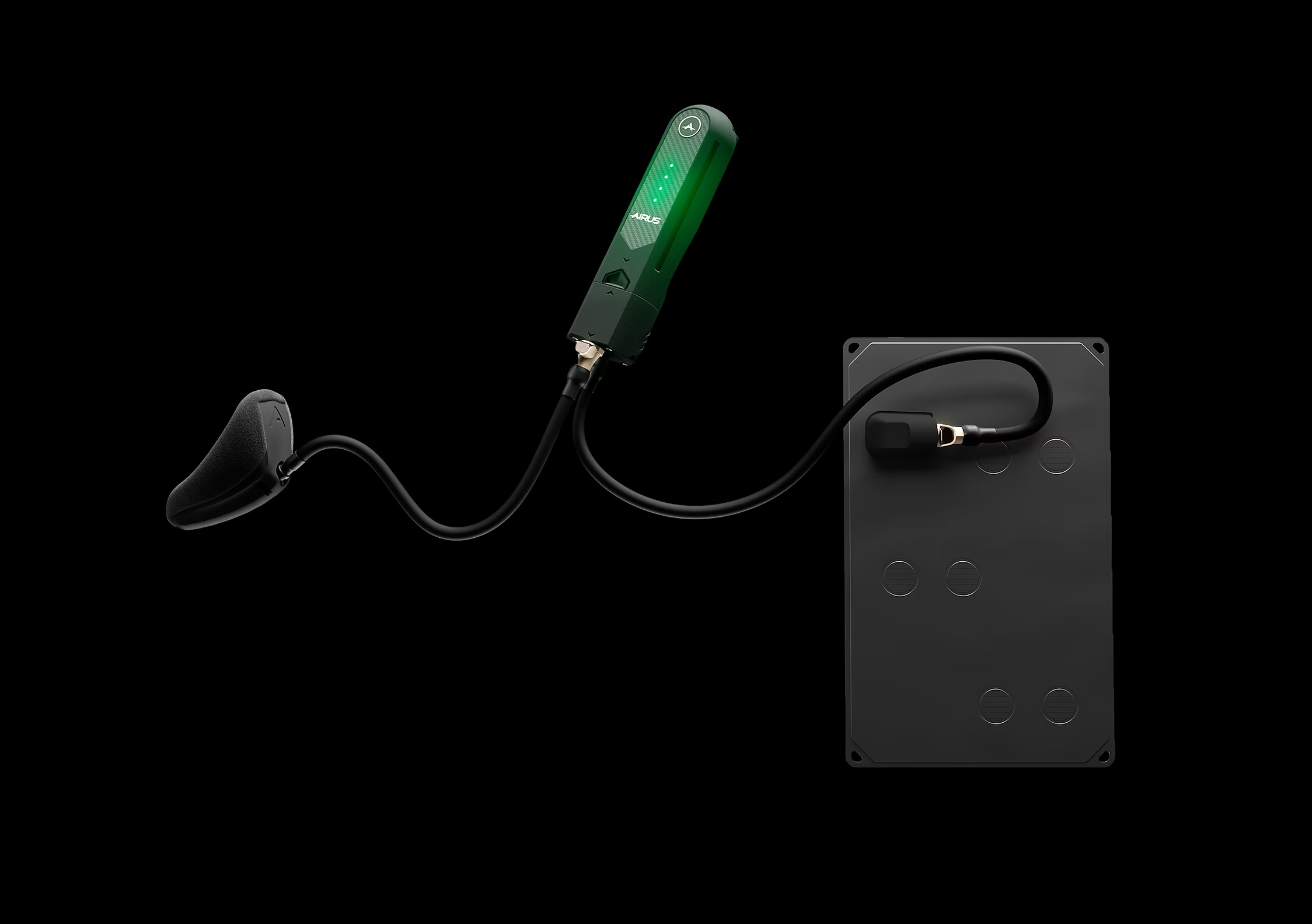
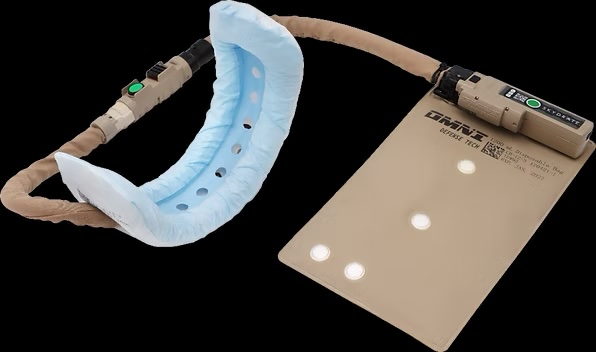
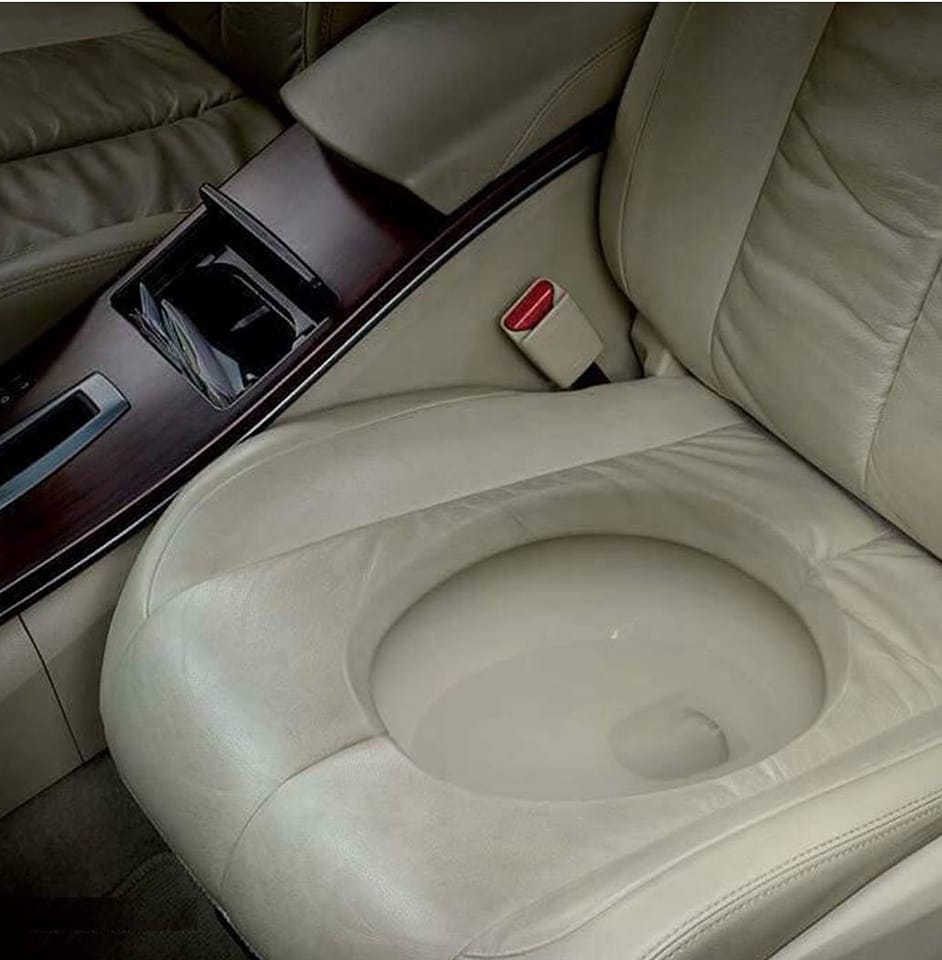
I myself am not a Navy fighter pilot (for the US or otherwise), so have no first hand knowledge of these devices. They clearly share a lot of the same requirements and constraints that we do, so it’s always interesting when a new one is mentioned. However, while they share most of the same pros, they also share most of the same cons….
AIRUS
The US Navy commissioned creation of a device: the AIRUS (Advanced Inflight Relief Universal System). This is the most recent advancement.
Skydrate
This is very similar to the PureWick (but likely at DoD prices ;-). I believe the pad is actually inflatable, in order to provide the best seal.
Integrated toilet
I read that there was an attempt at making a pilot seat with an integrated toilet, but I can no longer find a picture (I’m imagining something like the third photo for a concept car). My friend who explored adapting the PureWick has also looked into how to integrate something into a harness. So far no prototypes (that I’m aware of) but we’re all cheering her on!
| Pros | Cons |
| No glue, tape, hair removal, and infinite use in-air! | Expensive or completely unavailable. |
| Requires no interaction in-air to use: can be used at any time and your hands never leave the toggles. | Requires a pump (more power and weight than we can carry in our craft). |
| Some options require removing/opening some clothing. | |
| Other options require special clothing to hold the device in place and route to the pump. |
Bottom-line: While it’s nice to know solutions are being pursued, nothing is an option for us (yet).
UriCap
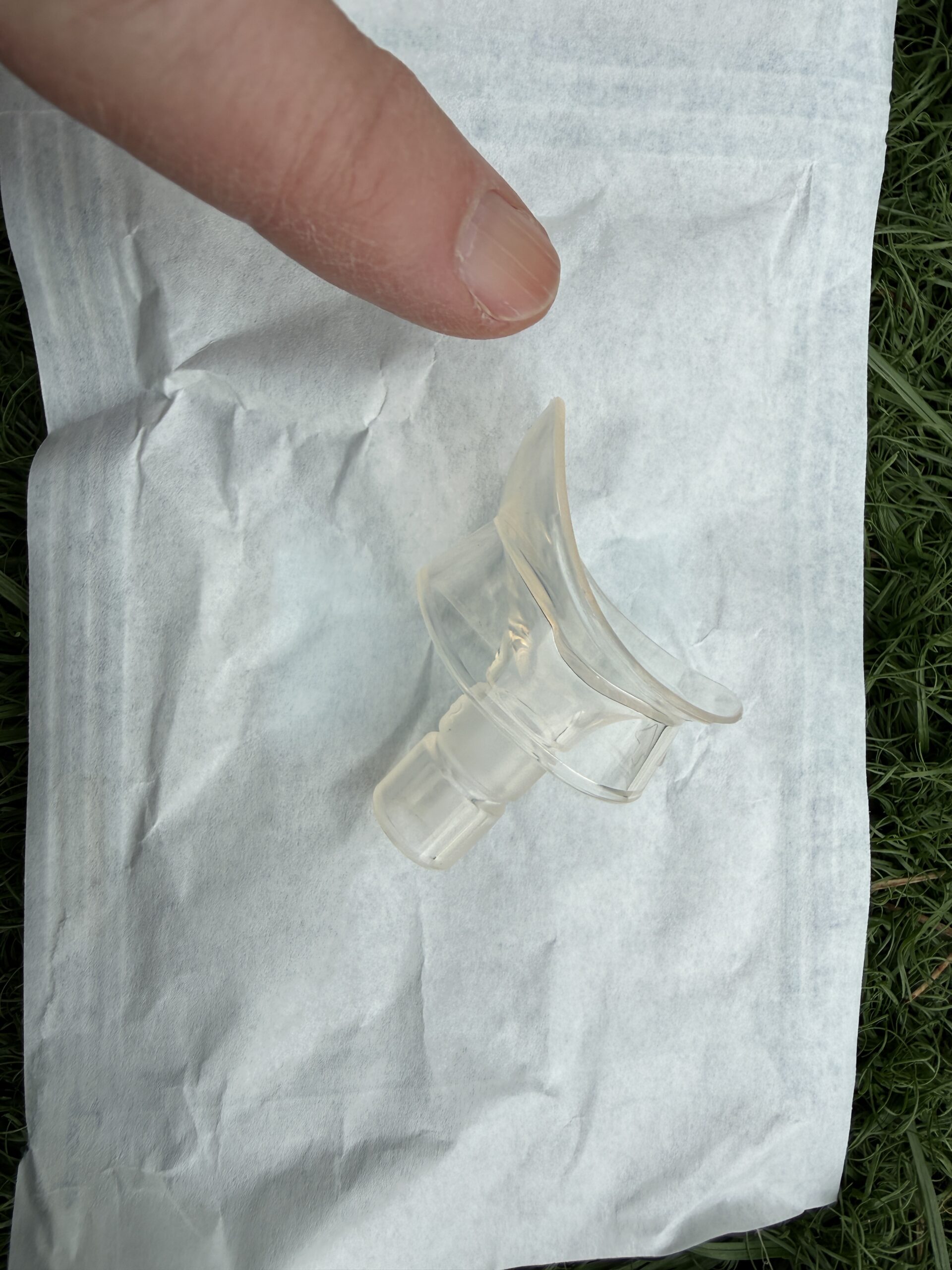
The experiments with the PureWick got me wondering what other female external catheter options there might be. The UriCap is very small, very flexible, and is designed to be held in place simply by natural suction. Sounds perfect! Unfortunately it’s targeted for use when patients are sleeping (preferably on their sides and unable/unlikely to move during the night).
| Pros | Cons |
| No glue, tape, or hair removal, and infinite use (potentially). | Requires holding position for an extended time while the natural suction “solidifies”. |
| Designed to have a tube for output. | The natural suction is not very strong, so is easily dislodged with most movements. |
| Was unable to get it to work. |
This is another device that others might have more luck with than I did. I had hoped that the things that created challenges with the She-P might be advantages with the UriCap, and although it didn’t turn out that way for me, it might be a step in the right direction!
Bottom-line: Might be worth further experimentation. I’m also considering the design of the UriCap in my explorations of some sort of hybrid of several of these products.
She-P
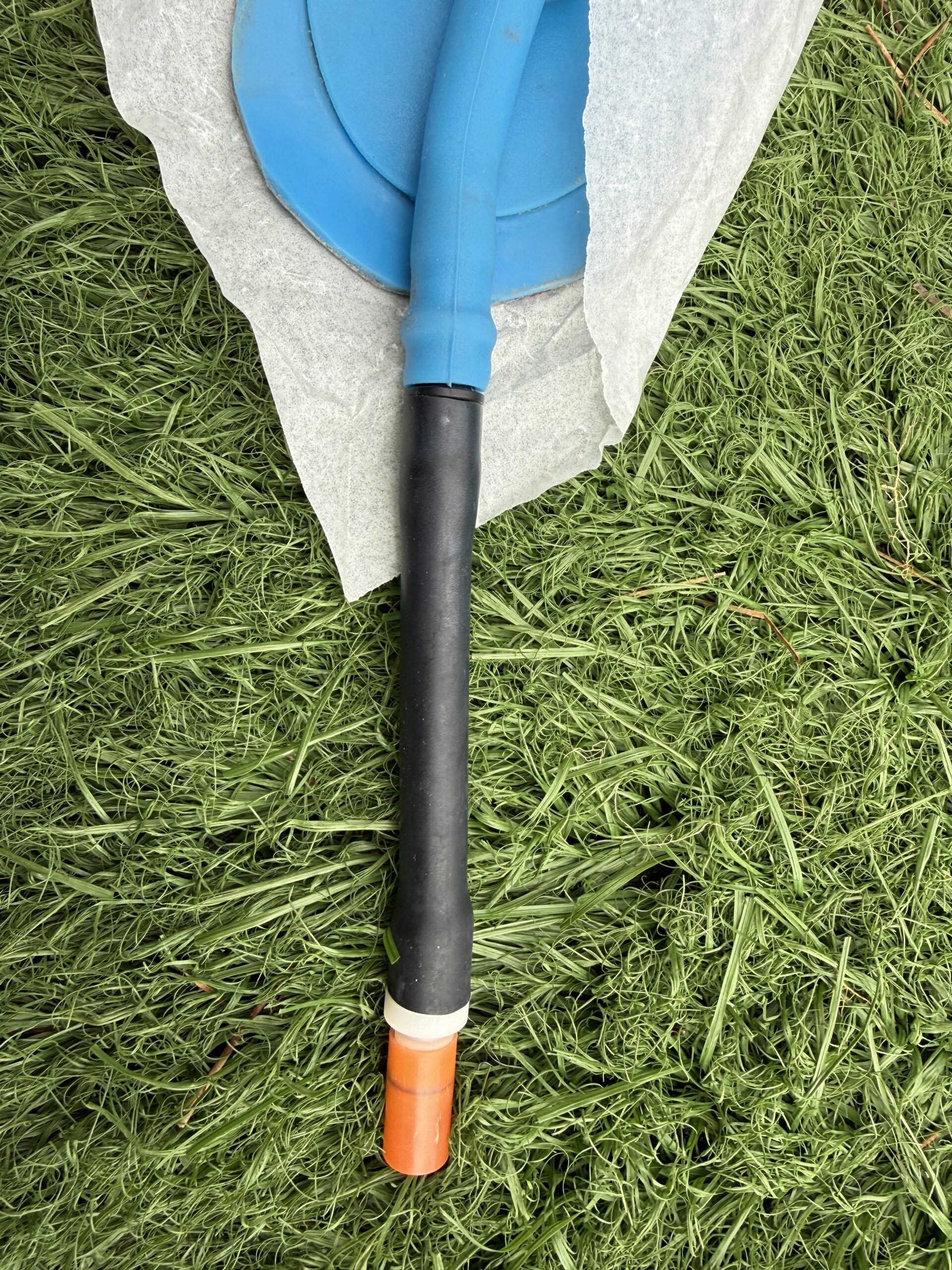
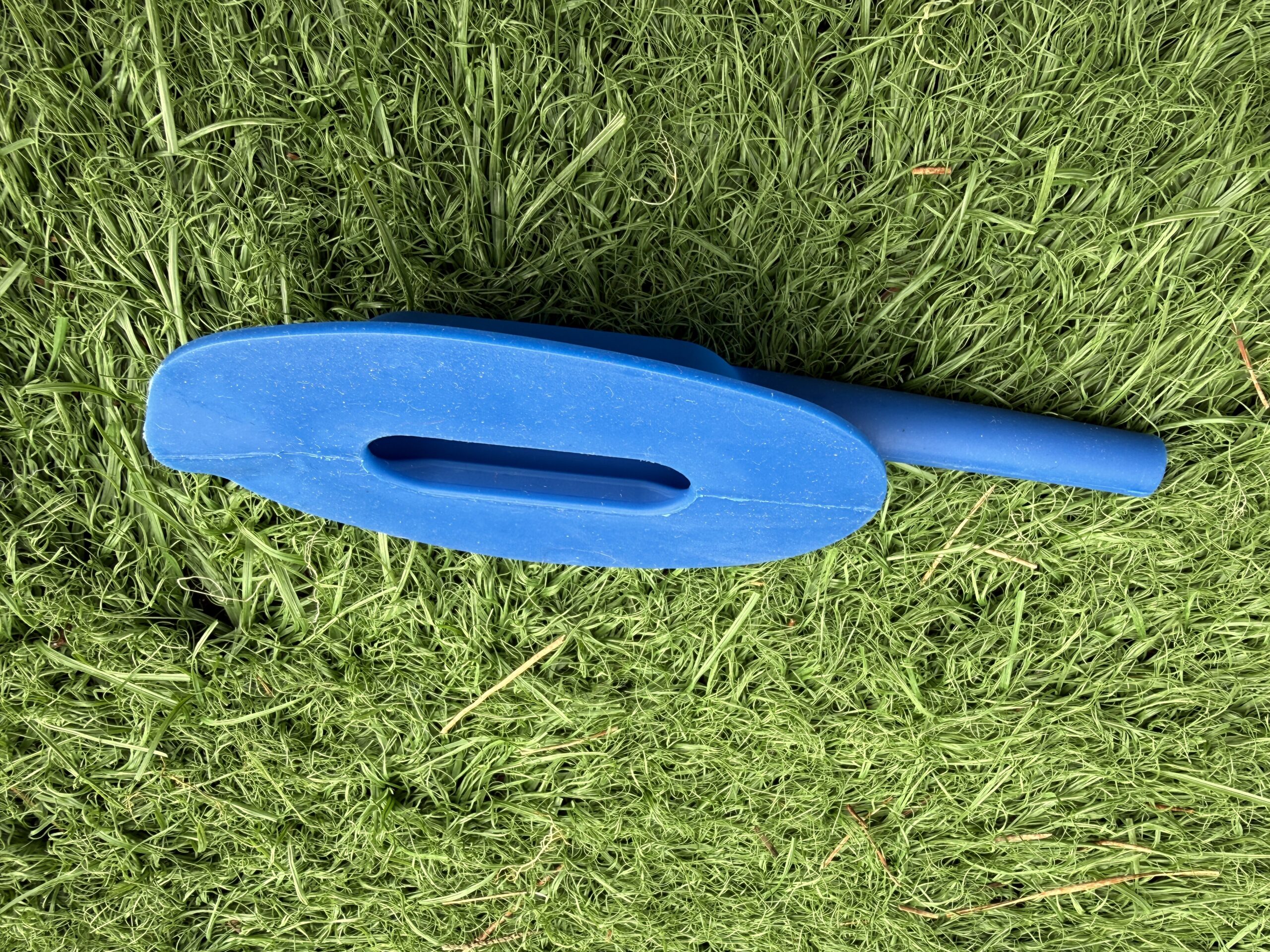

Created originally for female dry-suit divers who wanted to use a “pee valve” during long dives, the female paragliding community has embraced the She-P as the “gold standard” for infinite in-flight micturition (for those who don’t have a built-in external tube). It essentially allows us to glue a silicon dish over our internal tube so we can connect to an external tube. Yes, glue. Lots of glue. There is a Facebook group (see Resources for details) providing a community to help solve common challenges, understand variations that might be needed, share tricks and tips, and provide support for those (like me) who took years to finally get the thing to work.
| Pros | Cons |
| Infinite use in-flight. | Requires glue and/or tape. Some people need a lot of glue. Some people need glue and tape. Some people live charmed lives and only need tape, but some of us don’t believe them :-D |
| Requires no interaction in-air to use: can be used at any time and your hands never leave the toggles. | Requires hair removal (or at least a close trim). Optional, but think “ripping off a bandaid” and then imagine where that bandaid is stuck. |
| PG kit includes a quick-disconnect for the tube, so you can attach it when getting into your harness (and use the “weenis” to pee standing up until then). | The glue (or skin prep, or glue removal product) might sting like someone lit a match down there! But there are multiple options so hopefully you can find something that works for you (see the Resources doc for details). |
| Extensive community knowledge and support. | Imperfect. It CAN leak. In so many ways. This is where the Facebook group is super helpful. Basic issues are: leaks out the back (a very tricky place to get a secure seal), leaks out the front (might not be long enough for your anatomy – more material can be added!), leaks out the sides (a wrinkle or stray hair creates a little underground aquaduct), leaks randomly (you might not have enough glue). |
| Reusable (no disposable parts). | Expensive. This was invented by a scuba diver and they are still made essentially by hand as a passion project. If you want one please buy an original (details in the Resources). If you need a backup (or really, really can’t afford it) there is at least one knock-off at a lower cost. |
| If leaks are small, the addition of a diaper (or reusable pee panties or a pad) can provide a lot of reassurance – just make sure they cover the area where the leak might happen (around the edges of the device itself). | For some women the design simply doesn’t align with their anatomy. I’ve discovered a way to make a semi-custom shape using liquid silicon rubber, and so far it works great (and is SO much more comfortable). I’ll include all the details in the Resources doc. |
Bottom-line: This is what most long-distance female free-flight pilots use. Does it have Cons? Yes. Is there a better option for long flight? Not that I’m aware of.
Exercise for the reader
Another possibility it seems would be an internal female catheter. I’ve never used one so have no direct information, but it wouldn’t have glue! My understanding is that a common side effect is urinary tract infection, so maybe it’s not feasible. But it would be interesting to know more!
Next up: what are the options for people with built-in external tubes?